
Passive Optical Components Supplier China: Standardize Interfaces Before Consolidating a Multi-SKU Fiber BOM
[Reading 56 lines from start (total: 56 lines, 0 remaining)]
Passive Optical Components Supplier China: Standardize Interfaces Before Consolidating a Multi-SKU Fiber BOM
A buyer searching for a passive optical components supplier China often wants more than one part number. A telecom integrator, test-equipment builder, distributor or optical-network project may need WDM modules, AWG, splitters, circulators, isolators, optical switches, VOAs, collimators and fiber assemblies in the same sourcing program. Feiyi’s About page lists single-mode and polarization-maintaining passive components across those families, while the site organizes them under a broad Passive Device range.
Supplier consolidation can reduce the number of vendors a project manages, but it only helps when interface details are controlled. The buyer should standardize wavelength, fiber type, connector polish, package, cable length, port labeling and test documentation where the system allows it. Otherwise, one purchase order can still produce a set of individually correct components that do not integrate cleanly.
A passive optical components supplier in China should be evaluated from the BOM architecture
Start by grouping the project BOM by function. WDM and AWG products manage wavelengths. PLC and FBT splitters divide optical power. Circulators route signals directionally. Isolators protect sources from reverse light. Optical switches select paths. VOAs control power, while pigtails, patch cords and collimators create the physical optical interfaces between those devices.
This function map prevents procurement from substituting products that sound similar. A splitter cannot replace a WDM because both have several ports, and a circulator is not a passive switch even though both route optical signals.
Every passive component line should include its optical job beside the part description
A short function note such as “split 1:8 distribution,” “drop 1550 nm,” “route return signal to receiver” or “protect source from back reflection” makes the BOM easier to review across engineering and purchasing teams.
WDM, CWDM, DWDM, OADM and AWG should be separated by the network’s wavelength plan
Feiyi offers WDM products including CWDM, DWDM, OADM and AWG-related solutions. These devices all manage wavelengths but at different channel grids and network positions. A CWDM node with 20 nm spacing, a 100 GHz DWDM terminal and a 50 GHz AAWG belong to different optical architectures.
When sourcing several WDM products from one supplier, provide one master wavelength plan. It should show terminal MUX/DEMUX channels, intermediate add/drop wavelengths, any AWG channel grid and the connector or fiber presentation at each node.
A wavelength list should use actual centers or ITU identities rather than only color or port numbers
This makes the same document usable for quotation, factory labeling, installation and later maintenance. It also prevents a replacement module from being ordered with the right channel count but the wrong wavelength group.
PLC and FBT splitters should be selected by distribution job rather than lowest port cost
Feiyi’s Optical Splitter range includes PLC and FBT technologies. A PLC splitter is often appropriate for uniform multi-output distribution, while FBT couplers can support specific tap or coupling ratios and wavelength windows. The buyer should define split count, ratio, wavelength range, package and connectorization for the actual network.
If a distributor stocks both technologies, separate them clearly. A 1×N package with the same connectors can still have very different optical behavior and intended use.
Circulators and isolators should share wavelength and fiber assumptions without being treated as substitutes
Feiyi’s passive range includes optical circulators and optical fiber isolators. A circulator directs light from one port to the next in a defined sequence, while an isolator is used to suppress reverse propagation toward a source. They may appear together in sensing, amplifier or laser-related systems, but their acceptance criteria and port logic are different.
For a multi-SKU order, use one wavelength and fiber reference across both families where the system requires it, then keep device-specific values such as isolation, insertion loss and port route in the individual specification.
Mechanical and magneto-optical switches should be sourced from route state and control requirements
Feiyi’s Photoswitch range includes mechanical and other optical switch products. A buyer should define port count, fiber type, wavelength, latching behavior where applicable, switching time, control voltage, connector and the system’s expected fail state.
One supplier may offer several switch forms, but electrical integration can differ more than the optical connector suggests. Keep controller pinout and route map with the component BOM rather than leaving them in a separate email thread.
Optical switch spares should reproduce control logic as well as wavelength and connectors
A service team needs a switch that the installed controller can actually drive. A physically compatible 1×8 or 1×2 device with the wrong latching type or voltage is not a useful emergency spare.
VOA procurement should separate attenuation function from ordinary link loss
Feiyi’s VOA products provide deliberate optical attenuation. A project should define why adjustable loss is needed, the wavelength, control or adjustment method and the power range seen by the downstream receiver.
Do not use a VOA as a substitute for fixing an unexpectedly lossy link. The component belongs where controlled attenuation is part of the system design, such as receiver protection, test calibration or power balancing.
Collimators and lensed fibers should be reviewed from the beam interface rather than treated as generic pigtails
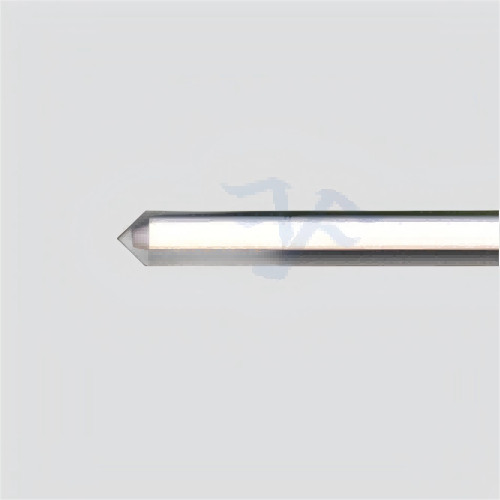
Feiyi offers standard and high-power collimators plus multiple Lensed Fiber geometries. These products determine how light transitions between fiber and free space, so working distance, beam size, tip geometry, angle and source far field can matter more than the remote connector.
When a multi-SKU order includes these parts, attach the optical drawing or beam requirement to the line item. A generic “fiber collimator” or “lensed fiber” description is not enough for reproducible coupling.

Connector families and polish should be standardized only where the optical job allows it
Across Feiyi’s passive products, FC, SC and LC interfaces appear in UPC or APC variants, along with bare-fiber and pigtail options on selected devices. A project can simplify installation by standardizing common interfaces, but it should not force one connector where reflection, panel density or equipment compatibility requires another.
Create an interface matrix that lists connector family, polish, fiber type and cable length at every equipment boundary. This makes adapters visible before installation instead of after all components arrive.
Supplier qualification should combine company-level quality systems with device-level test limits
Feiyi’s About page states ISO 9001:2015 and ISO 14001 certification and describes in-house optical testing, production and precision device assembly. Those facts support company qualification, but a project still needs acceptance criteria for each product family. A WDM should be checked for wavelength and isolation, a splitter for ratio and loss, a switch for route and switching behavior, and a collimator for the optical interface it creates.
This separation also improves incoming inspection. Quality staff can verify the supplier’s documentation at company level while engineering reviews only the critical measurements that belong to the received device.
One general inspection certificate should not replace the measurements that make a product fit the network
A multi-product supplier program becomes stronger when each line item has a short list of acceptance values tied to its function. That is more useful than asking every component to pass the same generic checklist.
Packaging instructions should be tied to the physical risk of each product family
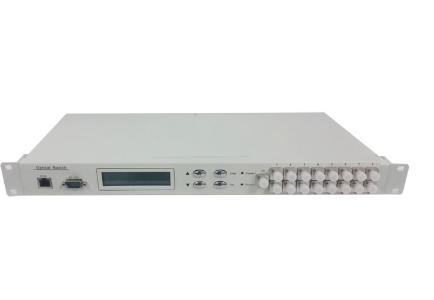
Rack modules need protection from mechanical impact and connector damage. Splitter or WDM pigtails need bend control and port identification. Lensed fibers need clearance around processed tips. Patch cords need clean end faces and cable labels. If a customer has special packaging requirements, write them by product family instead of issuing one vague “export packing” instruction.
For ordinary orders, the supplier’s standard packaging can be used, but receiving staff should verify that port labels, dust caps, pigtails and fragile optical surfaces survived shipment before optical testing begins.
Global buyers should ask for a self-contained multi-SKU technical file before repeat orders
A project sourced from China may be engineered, received and serviced in several countries. The purchase file should therefore stand on its own: product name, function, wavelength or grid, fiber type, connector, package, port map, key optical limits and approved drawings should be understandable without a live chat history.
This also makes customs, warehouse and service handling easier because each item has a stable identity. When a component changes, revise the controlled file instead of letting the new configuration inherit an old description.
Distributor stocking should separate products that look alike but have different optical jobs
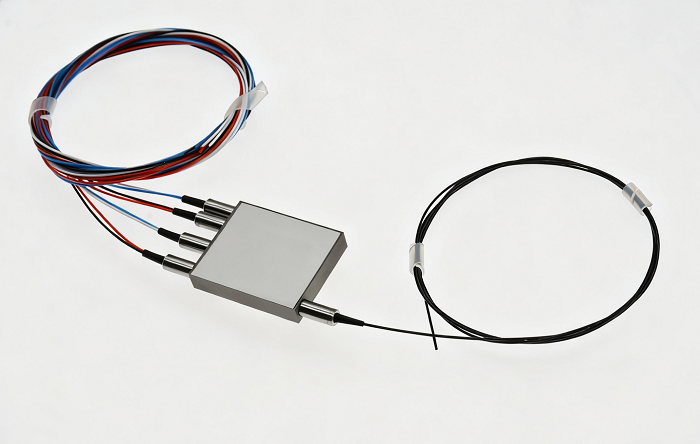
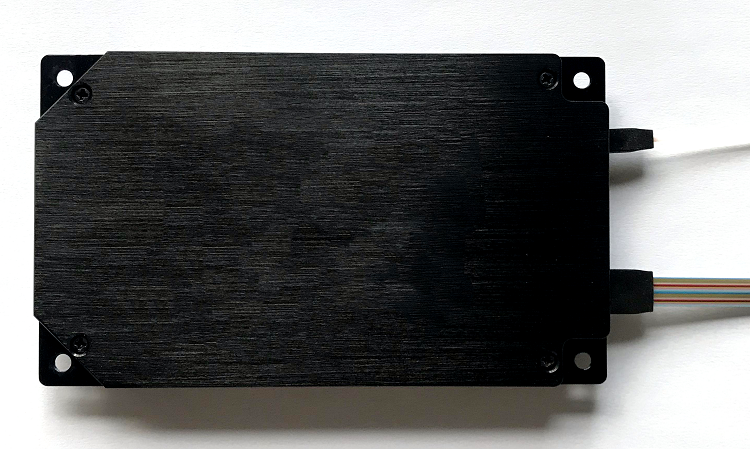
A small ABS box can contain CWDM, DWDM, splitter or another passive function. Cylindrical devices can be isolators, circulators or collimators. Fiber assemblies can use the same connector while carrying different fiber types or wavelengths. Warehouse labels should therefore include function, wavelength, port count and connector details that distinguish one optical job from another.
For repeat customer orders, match those optical identifiers first. Visual similarity should never be the reason a passive component is offered as an alternative.
A repeat multi-SKU order should preserve interface consistency across the entire project
Once a project has passed installation and acceptance, retain the approved WDM channel maps, splitter ratios, circulator routes, isolator wavelength, switch control type, VOA role, collimator geometry, fiber types, connectors, packages and labeling conventions. Supplier consolidation delivers the most value when those interfaces remain stable across later lots.
Feiyi’s passive-device categories provide the product breadth to build such a BOM, but the buyer still owns the system architecture. The best sourcing outcome is not simply buying more part numbers from one supplier; it is receiving multiple optical components that arrive ready to fit the same documented network.
Cross-product engineering changes should be reviewed for interface impact before the next lot ships
When several passive components come from one supplier, a change to one product can affect another part of the system even if the new item still meets its own datasheet. A connector change on a WDM can alter the patch plan, a new pigtail length on a splitter can affect enclosure routing, and a different optical-switch control option can require electronics changes. The buyer should therefore define which changes need notification before production.
For custom or project-specific items, keep the approved drawing revision with the purchase order. If a supplier proposes a change, compare it with the neighboring components in the BOM rather than reviewing it as an isolated part.
Incoming inspection should be layered by product function instead of applying one test to every SKU
A practical receiving program can begin with common checks—identity, connector or pigtail condition, labeling and visible shipping damage—then branch into device-specific tests. WDM and AWG products need wavelength/channel verification; splitters need port and ratio checks; circulators need directional routing; isolators need reverse-isolation behavior; switches need state and control verification; collimators need the approved beam or working-distance interface.
This layered method keeps inspection efficient without losing the measurements that actually protect the system. It also creates clearer nonconformance reports: instead of “optical component failed,” the buyer can identify the exact functional requirement that was not met.
A consolidated supplier should make product traceability easier, not less specific
One vendor relationship can simplify communication, but the individual items still need stable identities. Keep the supplier part number, customer item number, product family, revision and key interface details on packing lists or receiving records where practical. This helps warehouses and engineering teams distinguish similar-looking devices and makes future reorders less dependent on old email searches.
[executed on device: SK-20260121JOTG (a251fff9-956e-47b5-9307-14fb53329ed2)]